Zendesk
Empathic Contact Center Design
A two-week design sprint turned advocate research into seven physical, digital, and cultural tools for a more human contact center.
- My role
- Product and interaction design lead · Rapid prototyping lead
- Timeline
- Jun 2019 · Two-week on-site design sprint
- People
- IDEO organizational design, environments, and interaction design team
- Zendesk Advocacy and Social Impact partners
The challenge
Zendesk’s Madison contact center was scaling, but the systems surrounding its customer advocates emphasized schedules, ticket volume, and operational efficiency. The people closest to customers cared deeply about helping them; what was missing was an environment that made care, mutual support, and the human impact of the work visible.
The sprint asked how design could support advocates first, so empathy would become part of the everyday operating system rather than an abstract service value.
My contribution
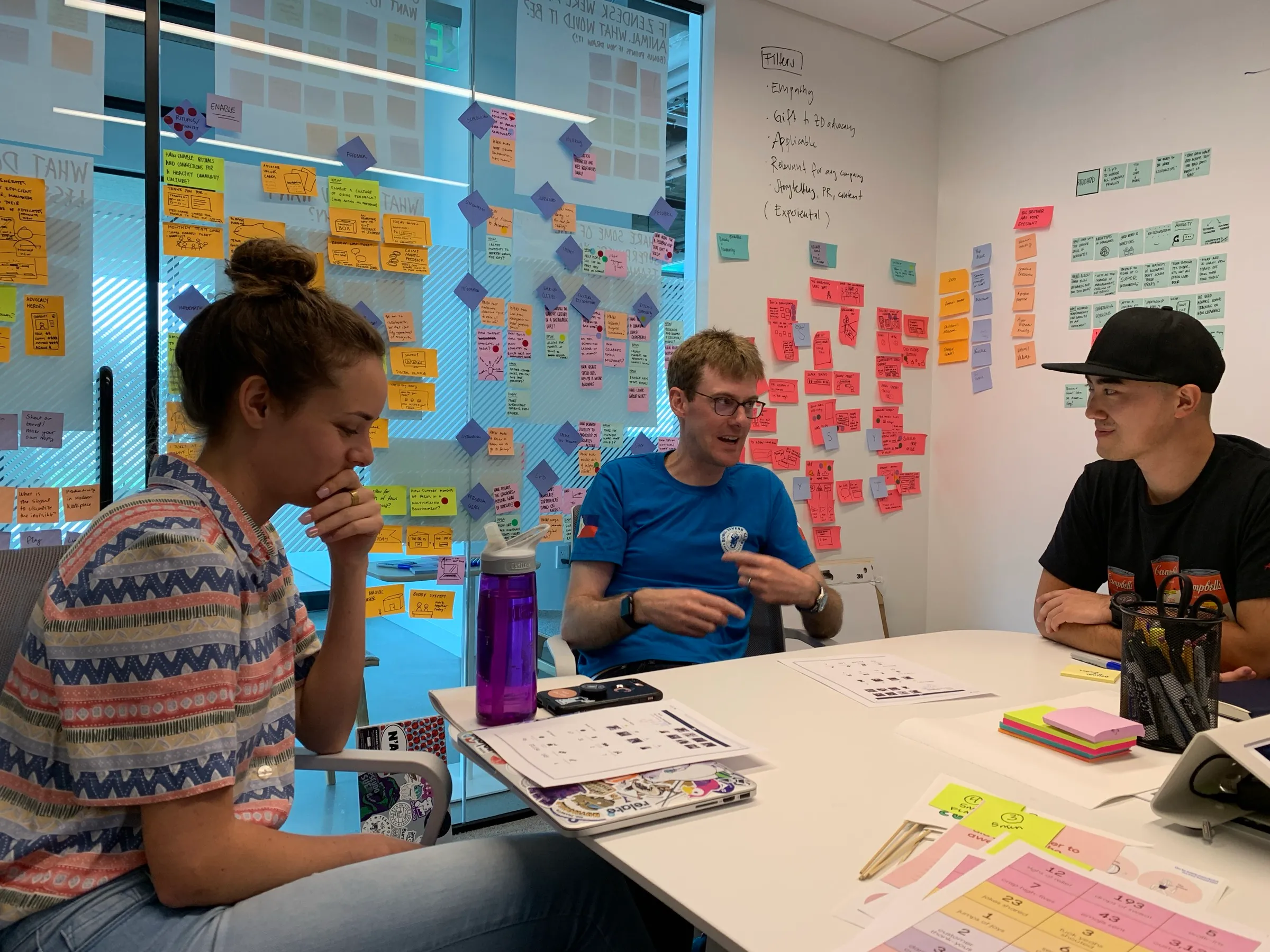
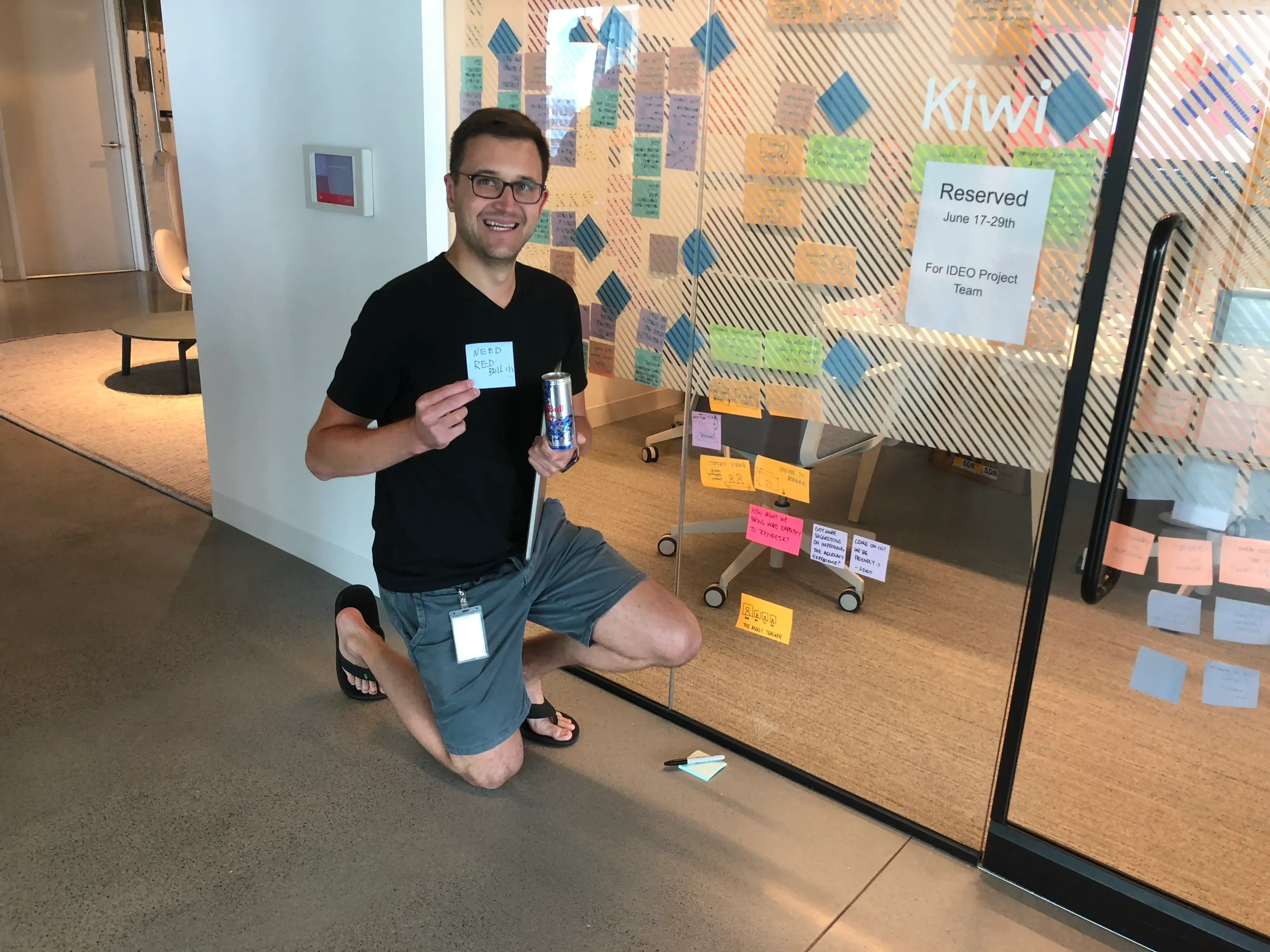
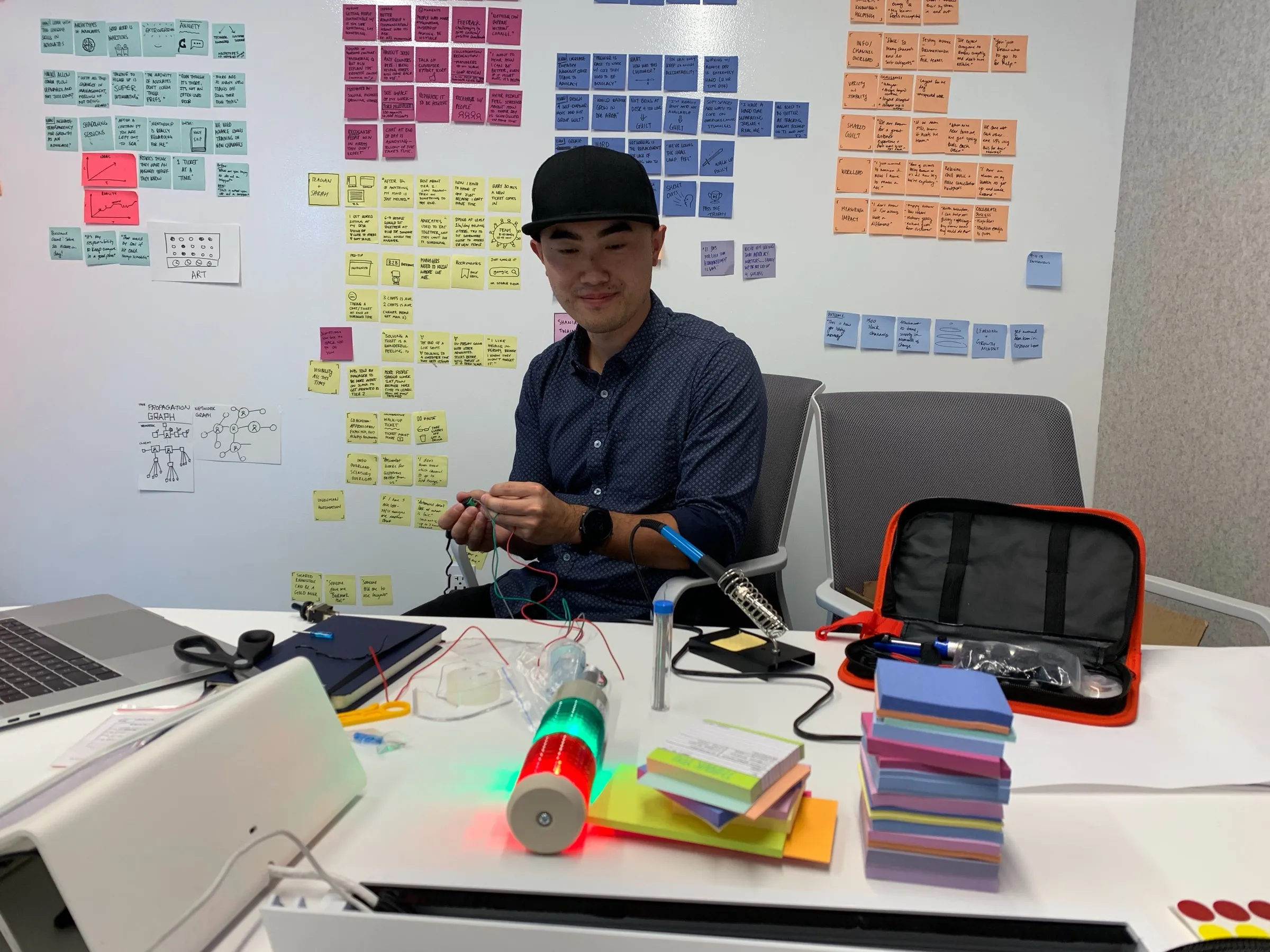
I led product and interaction design and served as the team’s rapid prototyper. We interviewed 21 advocates, managers, and leaders, then translated the research into five opportunity areas spanning meaning, community, relief, confidence, and contribution.
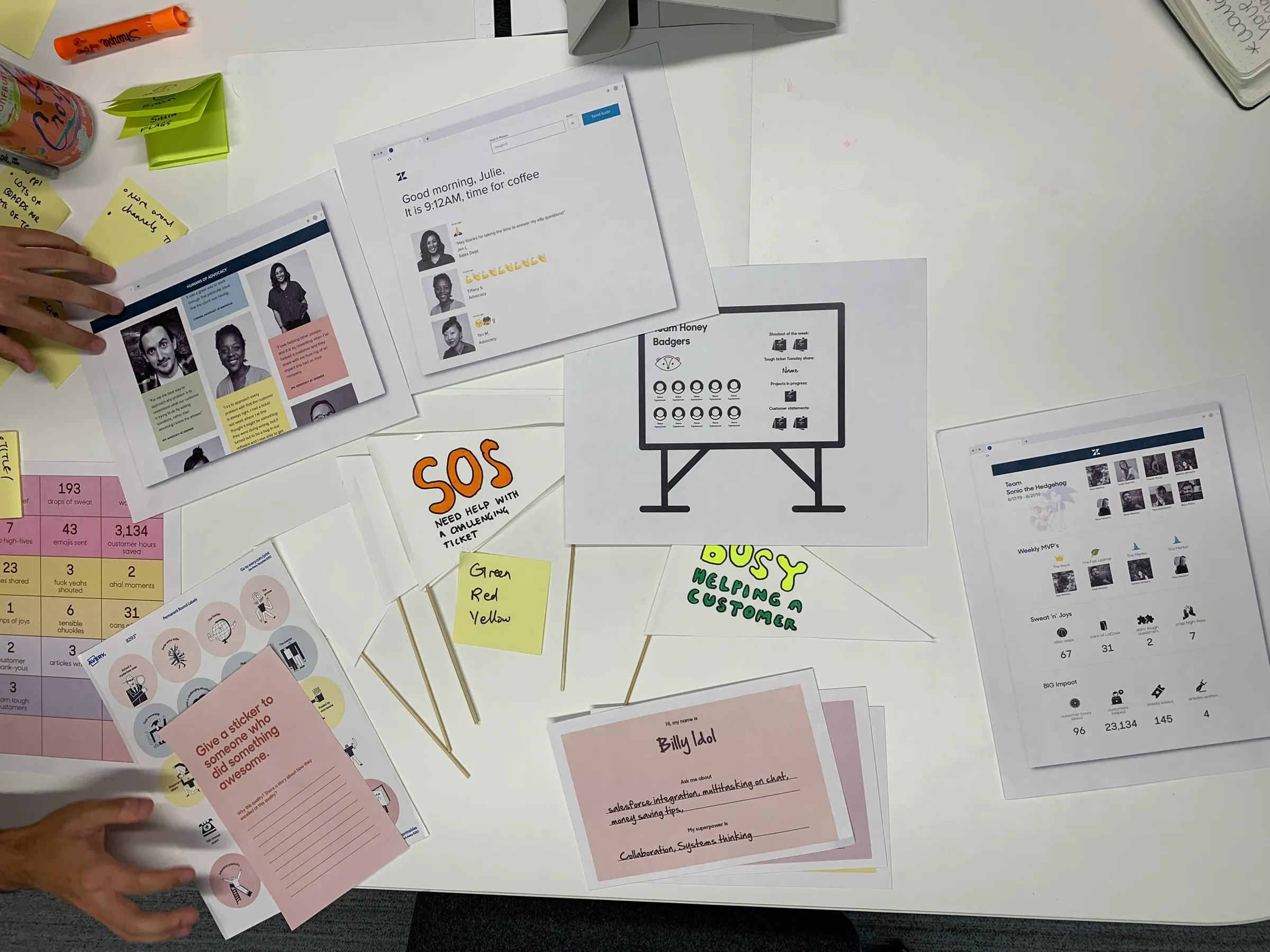
I made those opportunities tangible through a deliberately broad portfolio of seven concepts:
- Designed physical status flags and team boards that gave advocates more agency and made support needs visible.
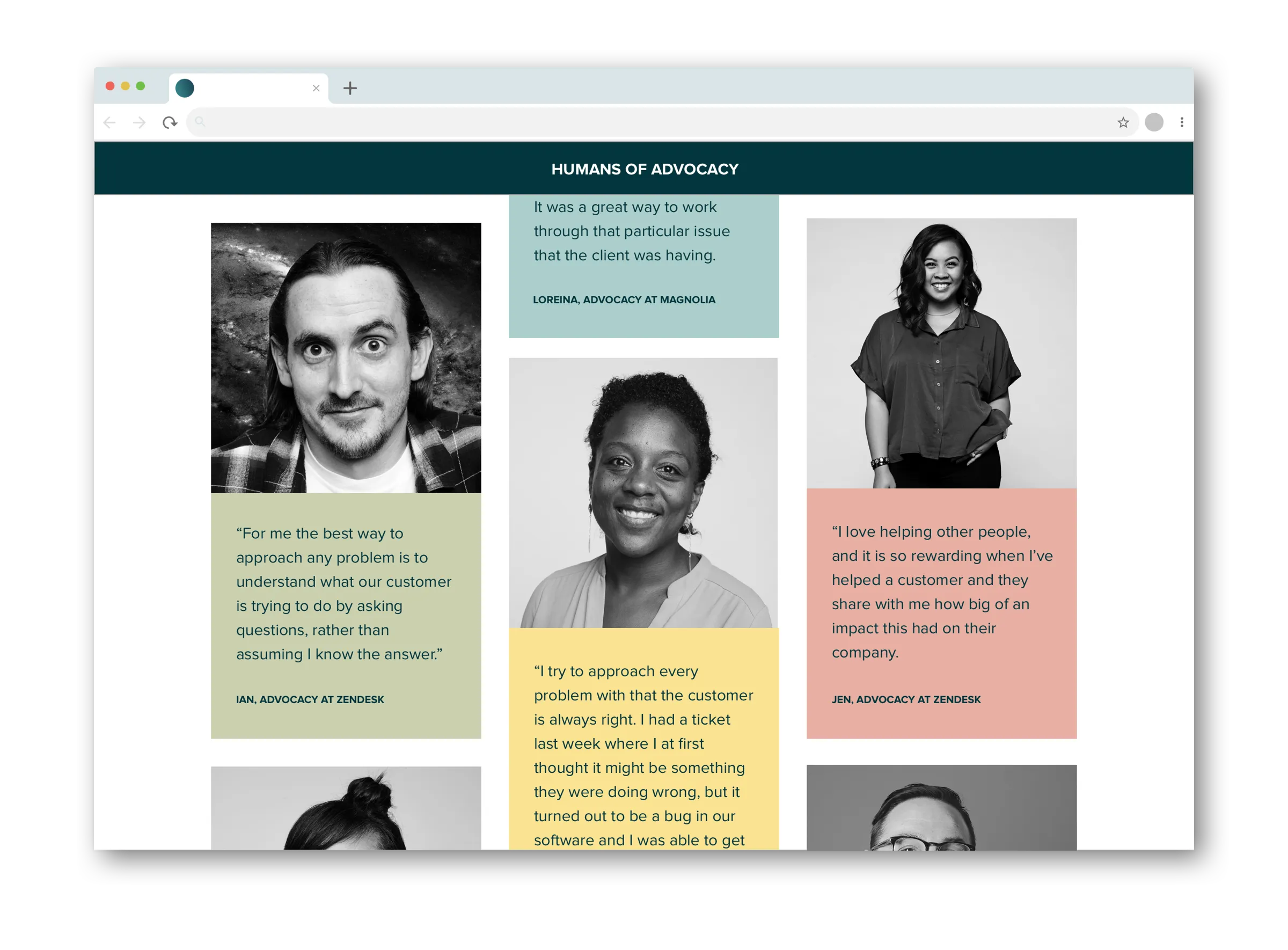
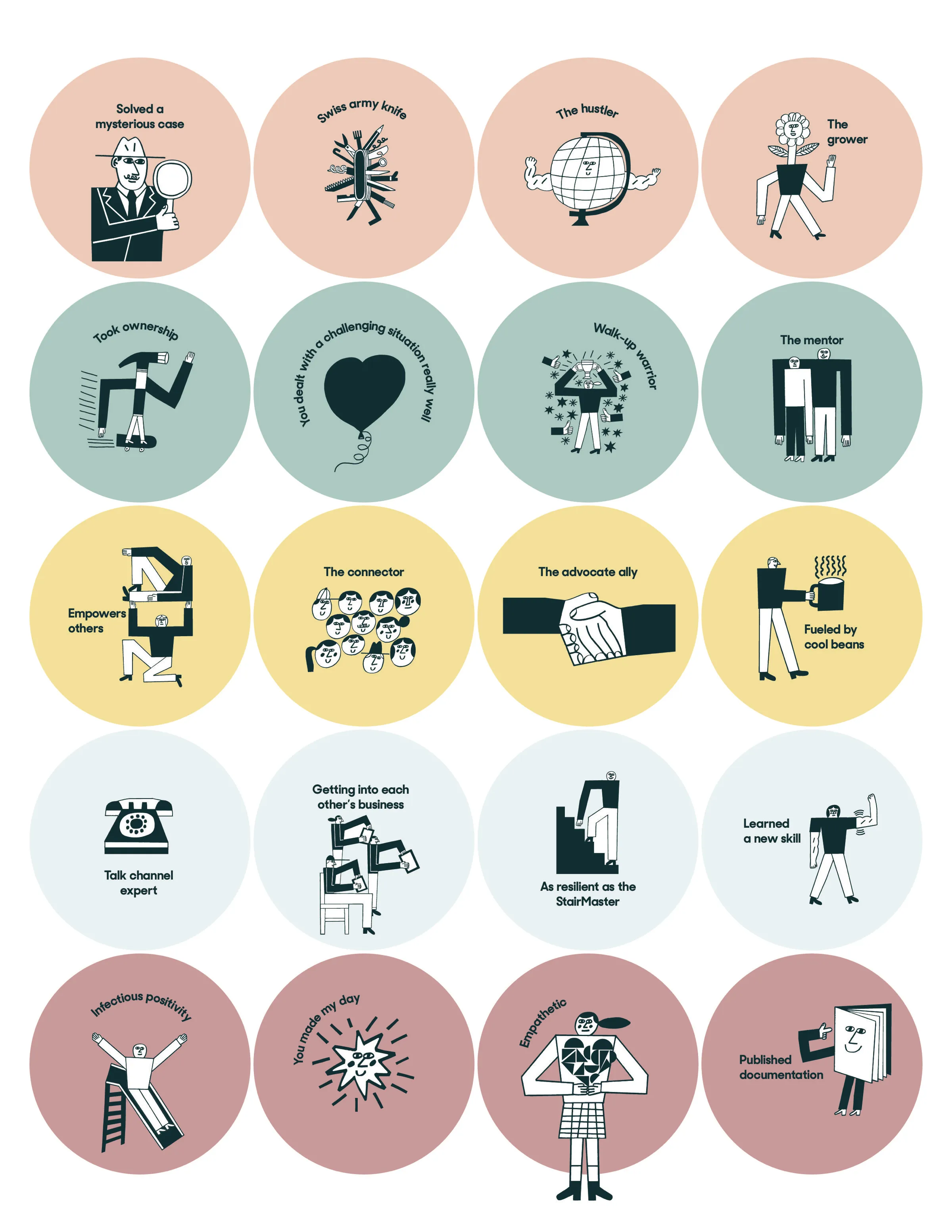
- Created recognition rituals and storytelling tools that celebrated the people behind customer service.
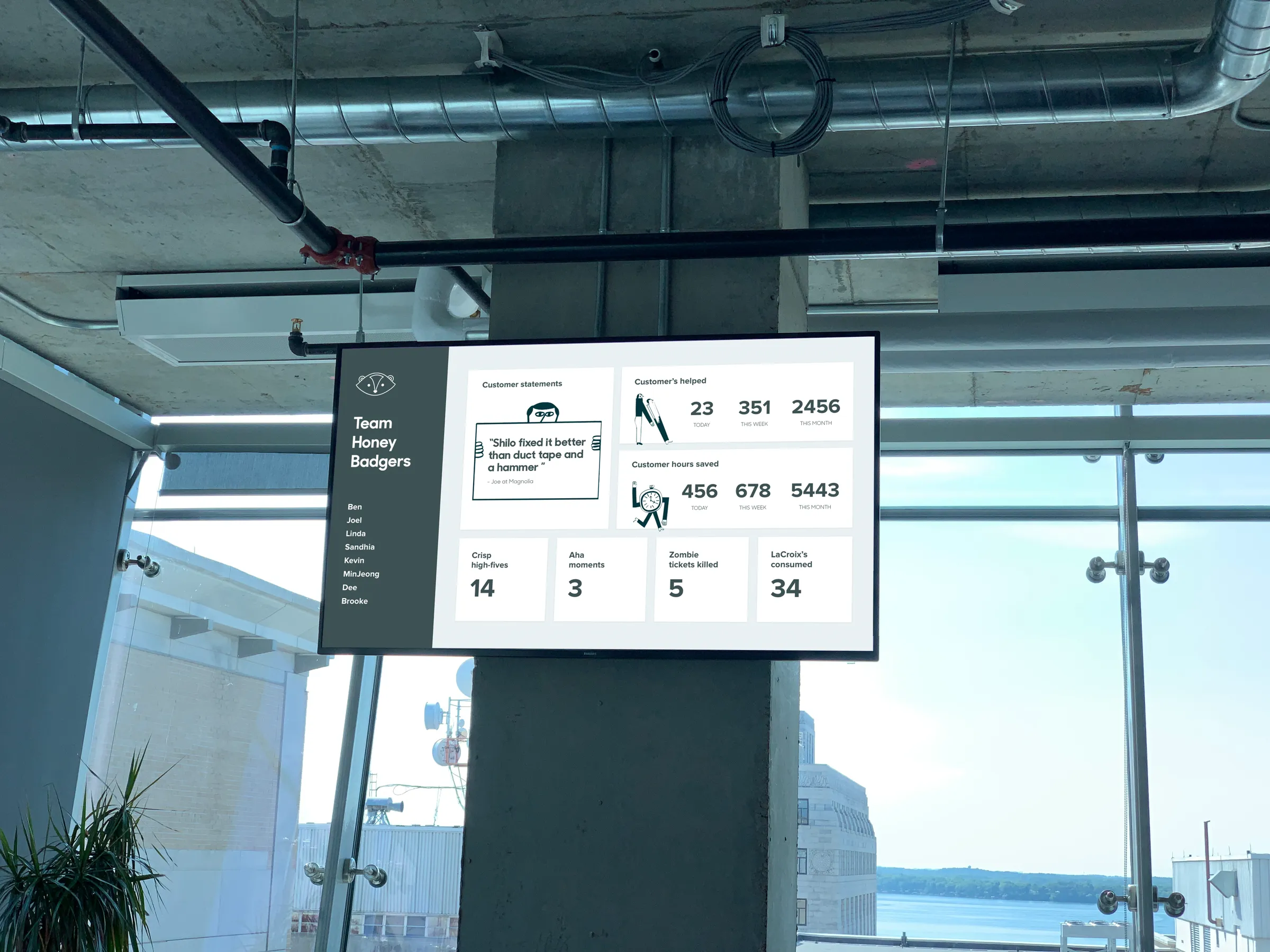
- Prototyped a team impact dashboard that paired operational measures with evidence of care and customer outcomes.
Each prototype was concrete enough for advocates to use and challenge. Their reactions exposed the trade-offs early: recognition could motivate, but only if it fit existing routines; new metrics could widen the definition of success, but could not obscure the information teams already relied on.
The impact
Several concepts were implemented in the Madison center immediately after the sprint. The larger body of work evolved into Zendesk’s public Empathy Lab and related thought leadership about designing contact centers around the people who work in them.
The project demonstrated that organizational change did not need to begin with a large platform. A desk signal, a shared story, a team ritual, and a dashboard could work as one system when each helped advocates feel seen and supported, making customer empathy easier to sustain at scale.